
About the Webinar
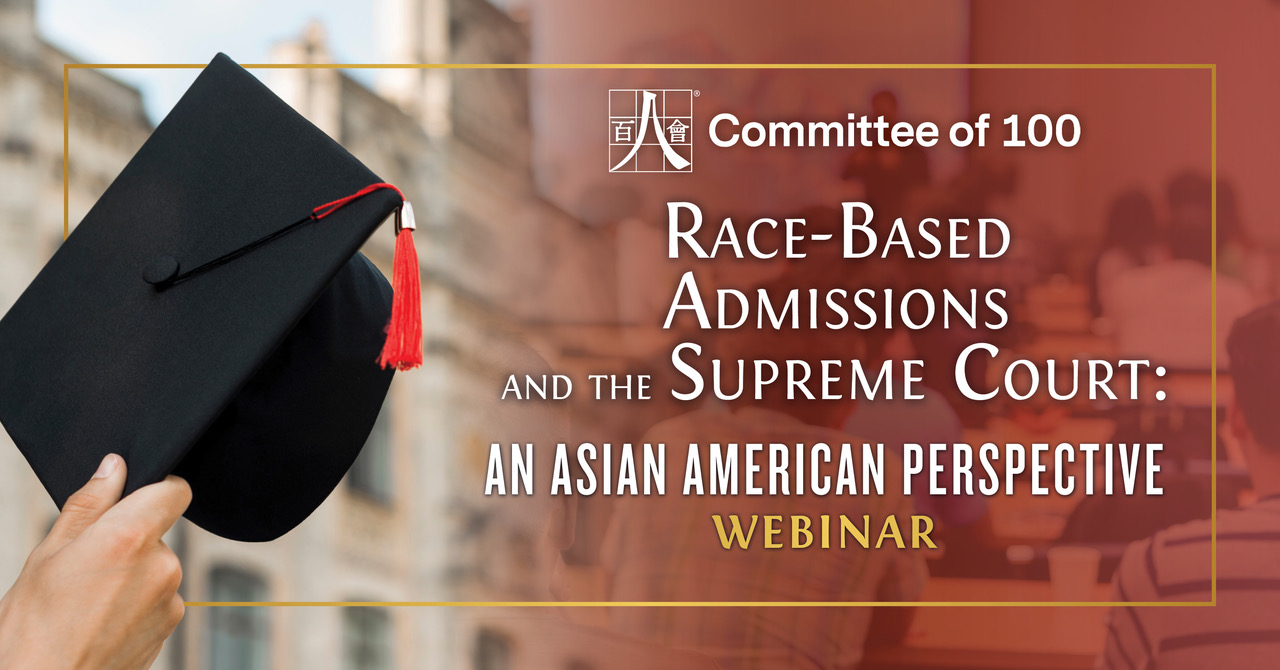
In late June, the U.S. Supreme Court issued its ruling in two high-profile cases on race-conscious college and university admissions policies. This is the third time in the last two decades that the nation’s highest court has heard cases that challenge long-standing attempts to increase diversity on college campuses. The Court’s finding that these policies are unconstitutional will have significant implications on the Asian American community, including how Asian American students should prepare for the college application process.
On Thursday, October 12, from 2:00pm – 3:00pm Eastern Time, Committee of 100 convened a discussion with experts from academia, law, and the media. Amy Qin, National Correspondent for The New York Times, will be the moderator. Panelists include Gordon H. Chang, the Olive H. Palmer Professor in Humanities at Stanford University; John C. Yang, President and Executive Director of Asian Americans Advancing Justice (AAJC); and Sally Chen, Education Equity Policy Manager at Chinese for Affirmative Action (CAA).
This panel discussed various aspects of the historical context surrounding affirmative action, why affirmative action is relevant to the Asian American community, and what the specific case law means for Asian Americans today.
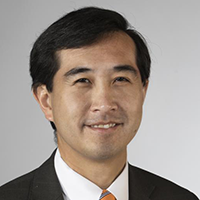
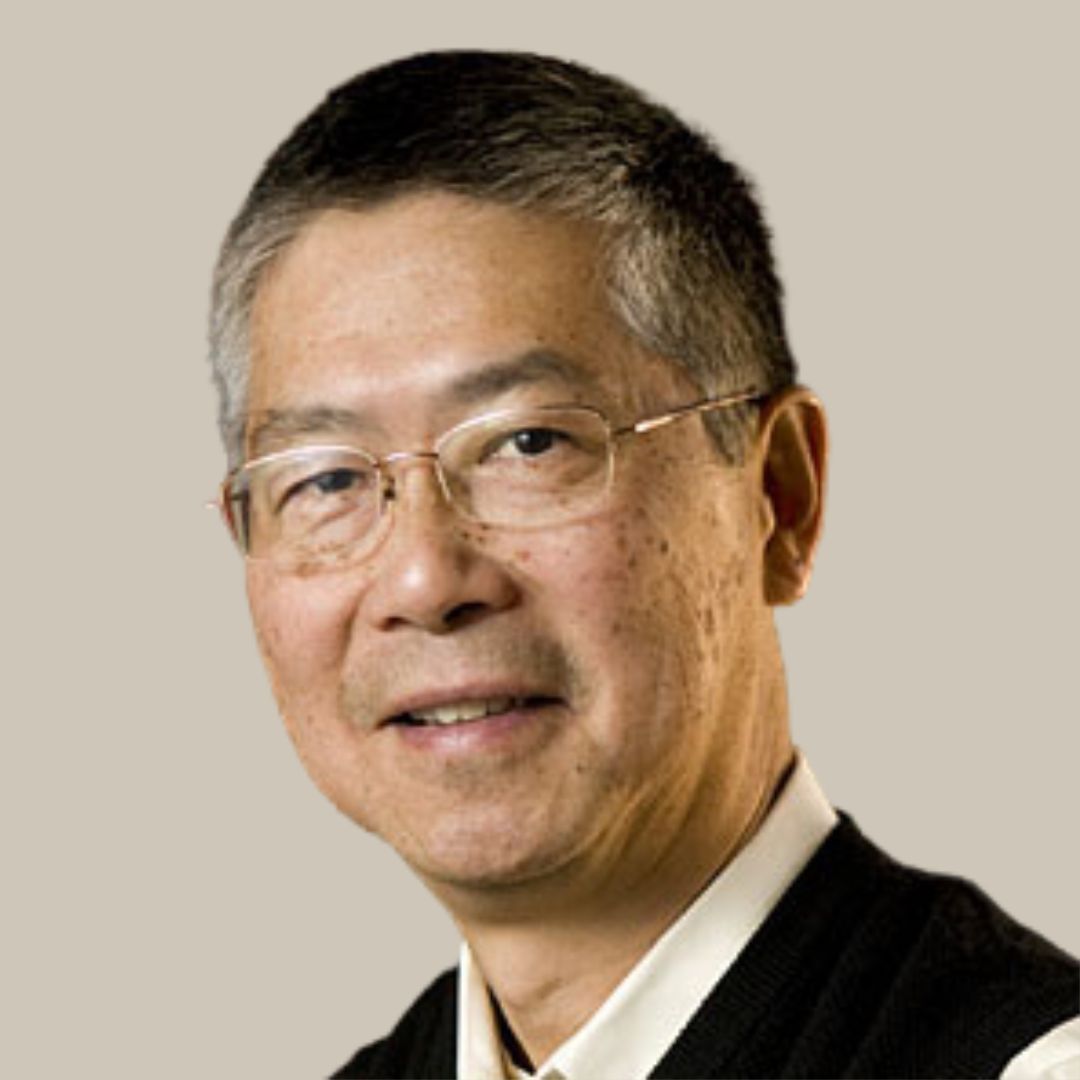
Gordon H. Chang is professor of history at Stanford University and the Olive H. Palmer Professor in Humanities. He recently stepped down as the Senior Associate Vice Provost for Undergraduate Education. In that position, he helped lead the University through the trials of the pandemic. He has been on the Stanford faculty since 1991. He is also a member of Committee of 100.
In 2019, he published Ghosts of Gold Mountain: The Epic History of the Chinese Who Built the Transcontinental (Houghton Mifflin Harcourt) and, as co-editor, The Chinese and the Iron Road: Building the Transcontinental (Stanford University Press). These books draw from more than seven years of work conducted by the Chinese Railroad Workers in North America Project at Stanford which he has co-directed. His other books include Friends and Enemies: The United States, China, and the Soviet Union, 1948-1972; Morning Glory, Evening Shadow: Yamato Ichihashi and his Internment Writings, 1942-1945; and Fateful Ties: A History of America’s Preoccupation with China. He edited or co-edited Asian Americans and Politics; Chinese American Voices, with Judy Yung and Him Mark Lai; and Asian American Art: A History.
He is a fourth generation Californian, having grown up in Oakland. His degrees are from Princeton University and Stanford.
*The views and opinions expressed here are my own and do not necessarily reflect the official position of Stanford, Committee of 100, or any other organizations I may be affiliated.